
QUICK ANSWER
Most jaw pain is temporary and eases with a couple of weeks of simple home care. Seek treatment if pain lasts longer than that, if your jaw locks or will not open fully, if clicking hurts, or if jaw pain comes with morning headaches or ear pain that isn’t an infection. Temporomandibular disorder (TMD) is a group of conditions affecting the jaw joint and the muscles that move it. At Manning Orthodontics, serving The Woodlands, Montgomery, Magnolia, and the surrounding communities, we start with a careful exam and reversible care, and add bite correction when the bite is part of the problem.
KEY TAKEAWAYS
- TMJ is the joint. TMD is the group of more than 30 conditions that cause pain or trouble in that joint and the muscles around it. Clicking without pain is common and usually needs no treatment.
- The National Institute of Dental and Craniofacial Research (NIDCR) reports that TMD affects about 5 percent of adults in the United States and is twice as common in women, especially between ages 35 and 44.
- Most TMD is temporary. Experts recommend starting with reversible care and avoiding permanent changes to the teeth, bite, or joint unless there is a clear reason.
- Braces and aligners do not cause TMD. When a deep bite or crossbite is straining the joint, correcting the bite can often drastically improve TMJ symptoms.
- Call if pain lasts more than two weeks, the jaw locks, clicking hurts, or jaw pain travels to the ear, temple, or neck. A locked jaw or a jaw injury needs same-day care.
It is September in The Woodlands. School is back in session, the fall calendar is full, and the I-45 commute has found its rhythm again from Magnolia to Montgomery. For many adults, that is also when the jaw starts to ache.
You wake up with a tight face and a dull headache at the temples. Chewing a bagel feels like work. Somewhere in the afternoon you notice your teeth are pressed together, and you cannot remember when that started.
We hear some version of this every week at Manning Orthodontics. Jaw pain sits in an awkward spot between dentistry, medicine, and physical therapy, and many patients wait months to ask anyone about it because they are not sure who to ask.
This guide explains what TMD is, which TMJ symptoms deserve attention, and how to tell the difference between a jaw that needs rest and a jaw that needs an exam.
What Is TMD, and How Is It Different From TMJ?
The temporomandibular joint (TMJ) is the hinge that connects your lower jaw to your skull, just in front of each ear. You have two, and they work together every time you talk, chew, yawn, or swallow.
Temporomandibular disorder (TMD) is the name for the problems that can affect those joints and the muscles that move them. The NIDCR describes TMD as a group of more than 30 conditions sorted into three categories: problems in the joint itself, including the small disc inside it; problems in the chewing muscles; and headaches linked to TMD.
People often say they “have TMJ.” Everyone has a TMJ. What they mean is that the joint or the muscles around it hurt, and that is TMD.
TMD Symptoms: What Jaw Discomfort Can Feel Like
The most common TMD symptom by far is pain in the jaw joint or the chewing muscles. Pain that spreads to the face or neck, jaw stiffness, and changes in the way the teeth fit together are also on the NIDCR list. Here is how patients in our chairs usually describe them.
| Symptom | What it often feels like | What it may point to |
|---|---|---|
| Jaw pain or soreness | An ache in front of the ear, along the jawline, or deep in the cheek, often worse in the morning or late in the day | Overworked chewing muscles from clenching or grinding, or irritation inside the joint |
| Clicking, popping, or grating | A click when opening wide, or a gravel sound when chewing | The disc inside the joint shifting position. Painless clicking is common and usually needs no treatment |
| Limited opening or locking | Trouble fitting three stacked fingers between the front teeth, or a jaw that catches open or closed | The disc or joint catching, which needs an exam |
| Headaches | Pressure at the temples or behind the eyes, often on waking | Tension in the temple muscles from night clenching |
| Ear symptoms | Fullness, ringing, or ear pain with no infection | Referred pain from the joint, which sits directly in front of the ear canal |
| A bite that feels different | Teeth do not meet the way they used to | Swelling or a disc change in the joint, worth an exam soon |
One symptom rarely tells the whole story. Two or three together, showing up most days for a couple of weeks, is the pattern that deserves a closer look.
What Causes Jaw Pain?
There is rarely a single cause. The NIDCR notes that research now points to a mix of contributing factors rather than one culprit, including genetics, how a person’s nervous system processes pain, and stress.
The contributors we see most often in The Woodlands, Montgomery, and Magnolia fall into five groups.
- Clenching and grinding. Many people clench during focused work or grind while they sleep, and the chewing muscles never get a break. A partner who hears grinding at night, or a dentist who notices worn edges, is often the first clue.
- Injury. A blow to the jaw, a car accident, whiplash, or even a long stretch with the mouth held open can strain the joint.
- Arthritis. The TMJ is a joint like any other, and arthritis can affect it, especially with age.
- Stress. Stress does not cause TMD by itself, but it raises muscle tension and clenching, and it can turn up the volume on pain.
- Jaw alignment. A bite that is off can make the muscles work harder to bring the teeth together, or force the lower jaw into the condylar disc upon closing to cause swelling, clicking, and other irritation.
Is Jaw Clicking Normal?
Often, yes. The NIDCR is direct on this point: clicking or popping without pain is normal and does not need treatment. The disc inside the joint can shift slightly as you open and snap back as you close, and for many people that is simply how the joint works.
Clicking deserves attention when it hurts, comes with locking or a jaw that gets stuck, or is new after an injury. A click that has been there for years and never bothered you is not, on its own, a reason to start treatment.
When Should You Seek Treatment for Jaw Pain?
Think of jaw pain in three tiers. Most people start in the first one and never leave it.
WATCH AND CARE AT HOME
Mild soreness that comes and goes. Painless clicking. A tired jaw after a long dental visit, a weekend of hard chewing, or a stressful week. Give it two weeks of soft foods, warmth, and a conscious effort to keep your teeth apart. Most jaws settle on their own.
SCHEDULE AN EVALUATION
Pain that lasts more than two weeks despite home care. Pain when you chew or yawn. Clicking that hurts. Morning headaches or ear pain without an infection several times a week. A bite that suddenly feels different. A jaw that catches or hesitates on the way open. Worn, chipped, or flattened teeth. Any one of these is a good reason to schedule a TMJ consultation and let us take a look.
SEEK CARE THE SAME DAY
A jaw that is locked open or closed and will not move. An injury to the jaw or face. Swelling, fever, or trouble swallowing or breathing. These are not appointment problems. Go to an emergency room or an urgent dental provider right away.
The two-week mark is our practical rule of thumb, not a law of nature. If something feels wrong sooner, you do not have to wait. A short exam can rule out the serious causes and give you a plan.
Ready to Find Relief From Jaw Pain?
Schedule a TMJ consultation to have your jaw joints, muscles, and bite examined. We’ll explain what we find in plain language and recommend the least invasive path to relief, whether that is home care, a custom night guard, neurotoxin injections, or bite correction with braces or clear aligners. The consultation fee is credited toward any treatment we provide.
What to Try at Home First
The NIDCR sums up its guidance in four words: less is often best. Before any appliance or procedure, these simple steps help most people, and they cost nothing.
- Eat soft for a few days. Skip bagels, jerky, hard candy, and anything that requires a wide bite. Let the muscles rest, as you would a sore ankle.
- Use heat or cold, then stretch gently. A warm compress on the jaw for ten minutes loosens tight muscles. Some people prefer cold. Follow with slow, gentle opening and closing, never forcing it.
- Give the jaw a break. No gum, no nail biting, no chewing ice or pen caps. Rest with your lips together and your teeth slightly apart.
- Catch yourself clenching. A sticky note on the monitor or a phone reminder that says “teeth apart” sounds silly and works surprisingly well.
- Short-term pain relief. Over-the-counter anti-inflammatory medicine can help for a few days if your physician says it is safe for you.
If two weeks of this has not helped, or if the pain is getting worse instead of better, that is your signal to move to the next step.
How We Evaluate Jaw Pain at Manning Orthodontics
A TMD evaluation starts with listening. We ask when the pain started, what makes it better or worse, whether you wake with a headache, and whether anyone has heard you grind. You will also complete a short TMJ questionnaire, because breathing, sleep, clenching, and jaw pain travel together more often than most people realize, which is also why we offer airway orthodontics.
Then we examine. Dr. Kendra Pratt Manning feels the joints and chewing muscles for tenderness, listens and watches as you open and close, measures how wide you can open, and looks closely at how your teeth meet. When the joint or airway needs a closer look, we use 3D imaging. If treatment is the right path, records are captured with an iTero digital scan rather than impression trays.
At the end, you get a plain explanation of what we found and what we recommend. Ask us anything during that visit. There are no silly questions about a sore jaw. Our team is here to help you.
TMD Treatment Options: Conservative First
NIDCR guidance and our own experience agree on the order of operations. Start with treatments that are reversible, and avoid permanent changes to the teeth, bite, or joint unless there is a clear and specific reason.
Self-care and habit change
The home care steps above are the first line of TMD treatment for most patients, not a waiting room before the real treatment begins. Many people never need more.
A custom night guard or splint
A custom night guard or splint protects the teeth from grinding and gives overworked jaw muscles a chance to rest while you sleep. Sleeping in a custom night guard allows your condylar disc to regenerate the fluids required to function properly.
Neurotoxin injections for overactive jaw muscles
Small, targeted injections into the chewing muscles can quiet clenching and ease TMD-related soreness for some patients. We offer this in our office, and discuss it as an option.
Team-based care
When muscle tension, neck posture, or chronic pain is a big part of the picture, physical therapists, orofacial pain specialists, and physicians often help more than any dental appliance can. We coordinate with those providers rather than trying to do everything in one chair.
Orthodontic treatment when the bite is part of the problem
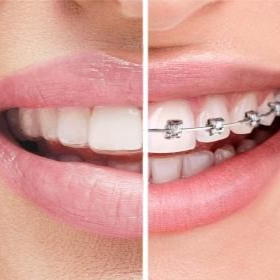
When a bite problem is present and appears to strain the jaw muscles, correcting jaw alignment with braces, clear braces, or clear aligners such as Invisalign can be part of the plan. Correcting deep bites and crossbites can often drastically improve TMJ symptoms. We recommend it when the bite is a real contributor, and the patient also wants the alignment result.
Why Patients Choose Manning Orthodontics for Jaw Pain
- A specialist who looks at the whole system. Dr. Kendra Pratt Manning evaluates jaw development, bite, airway, clenching, and grinding together, which is why Manning Orthodontics offers airway orthodontics and Mini-Implant Assisted Rapid Palatal Expansion (MARPE) alongside braces and aligners.
- Conservative by design. We follow the reversible-first approach that national experts recommend, and we will tell you when the right answer is rest rather than an appliance.
- Board-certified care. Dr. Manning is a Diplomate of the American Board of Orthodontics (ABO) and scored in the top two percent in the nation on her written board certification examination.
- Digital precision. Night guards and splints are made from iTero digital scans, and 3D imaging is available when the joint or airway needs a closer look.
- Recognized in Texas. Dr. Manning was the first female orthodontist in The Woodlands and has been voted an Outstanding Dentist in Texas for 14 consecutive years.
- Two convenient offices. Our Woodlands office on Woodlands Parkway and our Montgomery office on Eva Street near Lake Conroe keep follow-up visits short, and both are a short drive from Magnolia and the surrounding communities to best serve you.
- Care that fits real budgets. In-office, interest-free payment plans, flexible down payment options, and a thorough review of your PPO benefits make it easier to move forward confidently with the smile you’ve always wanted.
FINAL ANSWER
Jaw pain that is mild and short-lived usually needs rest, not treatment. Give it two weeks of soft foods, warmth, and a conscious effort to keep your teeth apart. Seek an evaluation if the pain lasts beyond that window, if your jaw locks or catches, if clicking hurts, or if headaches and ear pain keep showing up. Start with an exam and reversible care. Bite correction with braces or Invisalign belongs in the plan when the bite is a real contributor, and correcting a deep bite or crossbite can often bring lasting relief. If you are in The Woodlands, Montgomery, or Magnolia and are not sure where to begin, begin with us.
Find Out What Is Behind Your Jaw Pain
At Manning Orthodontics, your brightest moments start with a smile you love, and that includes a jaw that feels good when you use it. A TMJ consultation is relaxed and thorough. We’ll examine your jaw joints and muscles, explain what we find, and map out the least invasive path to relief. The consultation fee is credited toward any treatment we provide, whether that is a night guard, neurotoxin injections, or orthodontics.
We serve adults, teens, and families across The Woodlands, Montgomery, Magnolia, Conroe, and the surrounding communities from two convenient locations.
The Woodlands : 10110 Woodlands Pkwy, Ste. 600, The Woodlands, TX 77382
Montgomery : 19970 Eva St, Ste. 105, Montgomery, TX 77356
Call 281-367-0050 or schedule your TMJ consultation online. We cannot wait to meet you!
Frequently Asked Questions
What is the difference between TMJ and TMD?
The temporomandibular joint (TMJ) is the hinge joint that connects the lower jaw to the skull in front of each ear. Everyone has two. Temporomandibular disorder (TMD) is the group of conditions that cause pain or poor function in that joint and the muscles around it. When people say they have TMJ, they usually mean TMD.
When should I see someone about jaw pain?
See an orthodontist, dentist, or physician when jaw pain lasts more than two weeks despite soft foods and rest, when the jaw locks or catches, when clicking is painful, or when jaw pain comes with frequent headaches or ear pain without an infection. A jaw that is locked open or closed, or any jaw injury, needs same-day care.
Will TMD go away on its own?
Often, yes. The National Institute of Dental and Craniofacial Research notes that many TMDs resolve without treatment, and it recommends starting with simple, reversible steps such as soft foods, heat or cold, gentle stretching, and less clenching. If symptoms continue past a couple of weeks or get worse, schedule an evaluation rather than waiting it out.
Can braces or Invisalign fix TMJ pain?
Often, yes, when the bite is the cause. A deep bite or crossbite can force the lower jaw into the joint or make the chewing muscles work harder, and correcting it with braces or Invisalign can often drastically improve TMJ symptoms. When the bite is not the cause, we start with conservative care such as a custom night guard and add orthodontics only if it will help.
Do braces cause TMJ problems?
No. More than 30 years of research, including studies sponsored by the American Association of Orthodontists, has found that conventional orthodontic treatment does not cause TMD. Some patients feel mild jaw soreness as teeth move and the bite changes during treatment. That is usually temporary, and we want to hear about it if it lingers.
What kind of doctor treats TMD in The Woodlands and Magnolia?
Several kinds, which is part of what makes TMD confusing. Orthodontists and dentists evaluate the joints, muscles, and bite and can provide night guards or splints. Orofacial pain specialists, physical therapists, and physicians treat muscle and pain components. At Manning Orthodontics, we perform the exam, start conservative care, and coordinate referrals when another specialty is the better fit.
Sources
- National Institute of Dental and Craniofacial Research. TMD (Temporomandibular Disorders). Last reviewed August 2026. https:/
/ www. nidcr. nih. gov/ health- info/ tmd - National Institute of Dental and Craniofacial Research. Less Is Often Best in Treating TMD. Patient brochure. https:/
/ www. nidcr. nih. gov/ sites/ default/ files/ 2025- 09/ tmd- less- is- often- best% 20(3). pdf - National Academies of Sciences, Engineering, and Medicine (2020). Temporomandibular Disorders: Priorities for Research and Care. The National Academies Press. https:/
/ www. nationalacademies. org/ read/ 25652/ chapter/ 3 - American Dental Association. Temporomandibular Joints (TMJ). MouthHealthy. https:/
/ www. mouthhealthy. org/ all- topics- a- z/ tmj - Michelotti A, Iodice G (2010). The role of orthodontics in temporomandibular disorders. Journal of Oral Rehabilitation, 37(6), 411 to 429. Digital Object Identifier (DOI): 10.1111/j.1365-2842.2010.02087.x
- Johns Hopkins Medicine. Temporomandibular Disorder (TMD). https:/
/ www. hopkinsmedicine. org/ health/ conditions- and- diseases/ temporomandibular- disorder- tmd