
Traditional
Braces
Modern traditional braces at Manning Orthodontics are a trusted way to straighten teeth, close gaps, and correct bite problems for kids, teens, and adults in The Woodlands, Magnolia, Montgomery and surrounding communitites. Dr. Kendra Pratt Manning and our team use today’s advanced braces technology to move teeth efficiently and comfortably, even for more complex orthodontic cases where clear aligners may not be the best fit. With personalized treatment planning, convenient appointment times, and two locations to serve Montgomery County, traditional braces remain one of the most effective options for creating a healthy, confident smile that lasts.
Time-Tested
Traditional braces are a proven orthodontic solution that consistently delivers reliable results for a wide range of alignment and bite concerns.
Precise Control
Braces give Dr. Manning detailed control over tooth movement, making them ideal for more complex corrections and finishing details.
All Ages
Traditional braces work well for children, teens, and adults and can be tailored to your goals, lifestyle, and treatment timeline.
Traditional Braces, Made Modern
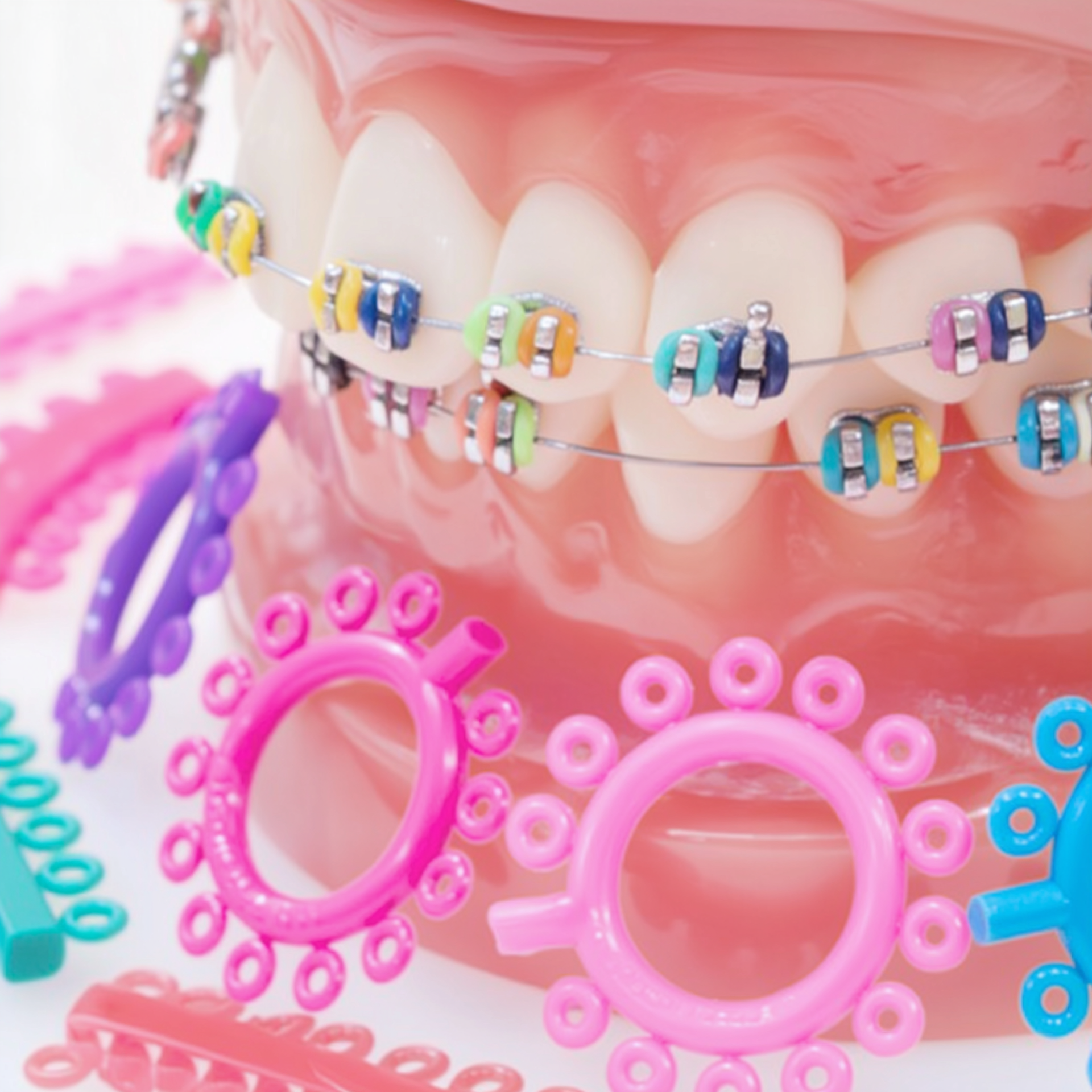
Traditional braces have come a long way, and at Manning Orthodontics, they are designed to fit comfortably into everyday life while delivering strong, predictable results. Braces use brackets and wires to apply gentle pressure that gradually guides teeth into healthier alignment and improves the way the upper and lower teeth fit together. Whether you are looking for braces for your child, a treatment option for your teen, or a long-overdue smile upgrade as an adult, Dr. Manning will customize your plan for efficient progress and long-term stability. Schedule a free consultation at our The Woodlands or Montgomery office to find out if traditional braces are the best option for your smile.
To learn more about traditional braces from Manning Orthodontics, read our FAQ below.
Traditional Braces FAQ
What can traditional braces fix?
Traditional braces can correct crowded teeth, gaps, crooked teeth, overbites, underbites, crossbites, and other bite alignment issues by guiding teeth into healthier positions over time.How long do braces usually take?
Treatment time varies by case, but many patients wear braces for around 12 to 24 months. Dr. Manning will give you a personalized estimate after evaluating your teeth and bite at your free consultation.Are traditional braces a good option for complex cases?
Yes. Traditional braces are often the best option for more complex tooth and bite corrections because they allow precise control of tooth movement and detailed finishing.Do braces hurt?
Braces can cause mild soreness when they are first placed and after adjustments, but it typically improves within a few days. Over-the-counter pain relief and soft foods can help during the transition.What foods should I avoid with braces?
To prevent broken brackets or bent wires, avoid hard and sticky foods like ice, popcorn kernels, caramel, chewing gum, and hard candy. Cutting crunchy foods into small pieces helps protect your braces.How do I clean my teeth with braces?
Brush after meals and angle your toothbrush around the brackets and along the gumline. Floss daily using floss threaders or a water flosser to remove plaque and food debris around braces and between teeth.How often will I need appointments?
Most braces appointments are scheduled every 6 to 10 weeks depending on your treatment plan. Our team offers convenient scheduling options to help reduce time away from school or work.Can my child start braces the same day as the consultation?
In many cases, yes. If you are ready to move forward after the free consultation and records, Manning Orthodontics can often offer a same-day start so you can begin treatment right away.Are braces only for kids and teens?
Not at all. Many adults choose braces to improve their smile, oral health, and bite comfort. Dr. Manning customizes braces treatment for adult goals and busy schedules.What happens after braces come off?
After braces, retainers are essential to keep teeth from shifting. Dr. Manning will recommend the best retainer plan for long-term stability and help you protect your new smile for years to come.
Ready for the Smile You've Always Wanted?
Click the button below to schedule your FREE consultation!