
Does My Child Need Braces Yet? Signs It May Be Time For An Orthodontic Visit
How Manning Orthodontics helps parents identify the right time for treatment.
Table Of Contents
- Introduction
- Meet Dr. Kendra Pratt Manning
- Why Age Seven Is The Recommended Starting Point For An Evaluation
- Signs That May Mean Your Child Is Ready For An Orthodontic Visit
- What Happens If We Catch A Problem Early
- What Happens If We Wait
- What An Early Evaluation Actually Looks Like
- Does An Evaluation Mean My Child Will Start Treatment Right Away
- What Treatment Options Are Available For Younger Patients
- Our Top Picks For Parents Who Are Just Starting To Wonder
- Why Families In The Woodlands And Montgomery Choose Manning Orthodontics
- Conclusion
- Frequently Asked Questions
Introduction
Most parents do not start thinking about orthodontic treatment until they can clearly see a problem. A tooth coming in crooked. A gap that does not look right. A bite that seems a little off.
But here is something many parents do not know: the best time to talk to an orthodontist is often before those problems become obvious.
At Manning Orthodontics, Dr. Kendra Pratt Manning has spent more than 20 years helping families in The Woodlands, Montgomery, and the surrounding communities understand what is actually happening with their child's smile. Our practice is rooted in these communities, and Dr. Manning is honored to care for the families she has always called home.
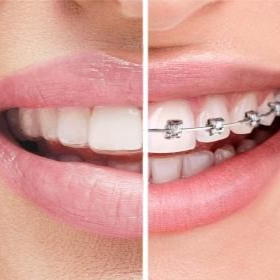
We offer metal braces, clear braces, and clear aligners, and we build every treatment plan around what is genuinely best for each individual child.
This blog is for every parent who has ever looked at their child's smile and thought, "Should I be doing something about this?" We want to help you answer that question with confidence.
Meet Dr. Kendra Pratt Manning
Dr. Kendra Pratt Manning is a board-certified orthodontist with more than 20 years of experience helping children, teens, and adults achieve healthy, confident smiles. She leads Manning Orthodontics with deep roots in The Woodlands, Magnolia, Montgomery, and the surrounding area.
Board certification means Dr. Manning has gone beyond the standard requirements for her specialty. It reflects a commitment to clinical excellence that she brings to every patient she treats.
What parents consistently appreciate is not just her expertise. It is how clearly she explains things and how personally she invests in each child's outcome.
With more than 160 five-star Google reviews and two convenient locations, our team is ready to help whenever you are. Schedule your free consultation and take the first step.
Why Age Seven Is The Recommended Starting Point For An Evaluation
The American Association of Orthodontists recommends that every child have an orthodontic evaluation by age 7. That surprises many parents because most 7-year-olds still have a mouthful of baby teeth.
But that is exactly the point. At around age 7, children have a mix of baby and permanent teeth. That combination gives Dr. Manning a clear window into how the jaw is growing, how permanent teeth are coming in, and whether any patterns are developing that would be easier to address now than later.
Think of it as getting ahead of a problem before it has the chance to grow.
Age 7
The recommended starting point for an evaluation.
Mixed Dentition
A mix of baby and permanent teeth gives a clearer picture of development.
Planning Ahead
It helps identify patterns that may be easier to address now than later.
Good To Know: An evaluation at age 7 is not a commitment to treatment. It is simply information. And that information can be incredibly valuable for planning ahead.
Signs That May Mean Your Child Is Ready For An Orthodontic Visit
Here are the most common signs parents see at home that suggest it is time to schedule a visit:
Teeth that look crowded, overlapping, or twisted
Gaps between teeth that seem unusually wide or are not closing on their own
Baby teeth falling out much earlier or later than expected
A bite where the upper and lower teeth do not seem to meet comfortably, or where the upper front teeth stick out noticeably
Upper back teeth that sit inside the lower teeth instead of outside them
Consistent mouth breathing, even when your child does not seem congested
Difficulty chewing or a habit of avoiding certain foods
A jaw that shifts or clicks when your child opens and closes their mouth
You do not need to diagnose anything yourself. If something looks or feels off to you as a parent, that feeling is worth a professional opinion.
Parent Tip: A small concern that turns out to be nothing is far better than a developing problem that gets discovered too late to address easily. There is no downside to getting an answer early. Our team is here to help.
What Happens If We Catch A Problem Early
Early orthodontic treatment, sometimes called Phase 1 treatment, is designed to take advantage of the fact that a child's jaw is still growing and more responsive to gentle guidance.
The American Association of Orthodontists notes that early treatment can make later treatment shorter and less complicated. In some cases, it may help prevent more involved procedures down the road.
Some of the things Dr. Manning can address more effectively in growing children include:
Bite issues where the upper and lower teeth do not fit together properly
Upper teeth that sit inside the lower teeth in the back of the mouth
Jaw width concerns that limit the space available for permanent teeth
Habits like thumb sucking that have begun to change the shape of the bite
Crowding that may be pushing permanent teeth toward unusual positions
Early treatment creates a healthier foundation, making the next phase more efficient and the final result more stable.
What Happens If We Wait
Waiting is the right choice in many situations. Not every child needs early intervention, and Dr. Manning will never recommend treatment that is not genuinely necessary.
But there are cases where waiting has real consequences. A bite problem that is simple to address at age 8 may require significantly more complex treatment at age 16 or later. The window for easy, effective orthopedic changes in growing children is real, and it does close.
This is not meant to alarm you. It is meant to help you understand why an early evaluation, even if the result is simply a plan to monitor and check back in, is a worthwhile step.
Dr. Manning's Perspective: My goal is never to rush a child into treatment they do not need. My goal is to make sure families have the information they need to make the right decision at the right time. Sometimes that means starting now. Sometimes it means watching and waiting. And sometimes it means reassuring a parent that everything looks perfectly on track.
What An Early Evaluation Actually Looks Like
If you have never been to an orthodontic evaluation before, it is much more relaxed than most parents expect.
At Manning Orthodontics, we offer free consultations for new patients. There is no commitment and no pressure. We simply want to get a clear picture of how your child's smile is developing.
During the visit, Dr. Manning will examine your child's teeth, jaw, and bite development, review any X-rays needed to see what is happening beneath the surface, and talk you through what she observes in plain language.
You will leave the visit knowing exactly where your child's smile stands and what, if anything, makes sense to do next.
Free consultations for new patients
There is no commitment and no pressure.
Examine your child's teeth, jaw, and bite development
We simply want to get a clear picture of how your child's smile is developing.
Review any X-rays needed
To see what is happening beneath the surface.
Talk you through what she observes in plain language
You will leave the visit knowing exactly where your child's smile stands and what, if anything, makes sense to do next.
Does An Evaluation Mean My Child Will Start Treatment Right Away
Not necessarily, and often not at all. After an early evaluation, Dr. Manning may recommend one of several paths:
Active monitoring: Everything looks normal, and we schedule periodic check-ins to make sure development stays on track
Early intervention: A specific concern is present that would benefit from being addressed now, while growth is still on our side
Wait and plan: Development looks good overall, but treatment will likely make sense in a year or two, so we plan ahead
In every case, Dr. Manning explains her reasoning clearly so you can make a fully informed decision. There is never any pressure to start something before it is needed.
What Treatment Options Are Available For Younger Patients
When early treatment is recommended, the specific approach depends on what Dr. Manning finds. At Manning Orthodontics, we offer three main options:
Metal braces
Reliable and precise, metal braces are well-suited for younger patients who need more guided correction and work consistently without requiring the daily self-management that aligners do
Clear braces
The same reliable mechanics as metal braces, but with tooth-colored brackets that are far less noticeable, popular with older children and teens
Clear aligners
Removable, nearly invisible trays that gradually shift teeth into position, typically recommended for older children and teens who have most of their permanent teeth in and can manage consistent wear
Dr. Manning will recommend the option that fits your child's specific needs, age, and treatment goals, never simply the one that sounds most appealing.
Our Top Picks For Parents Who Are Just Starting To Wonder
If you have started to notice something about your child's smile and are not sure what to do next, here are our top picks for moving forward with confidence:
Schedule the age 7 evaluation even if you cannot see an obvious problem. Getting ahead of an issue is the whole point.
Pay attention to how your child bites and chews, not just how the teeth look. Function matters as much as appearance.
Note whether your child breathes through their mouth regularly, even when they are not congested. It is worth mentioning at your child’s evaluation.
Watch for baby teeth that stay in far longer than expected or fall out much sooner than their siblings' did.
Trust your instincts as a parent. If something looks or feels off, it's worth getting a professional opinion.
Come to the consultation with your questions ready. Dr. Manning loves helping parents feel clear and confident.
Remember that scheduling an evaluation is not a commitment to years of treatment. It is simply getting the information you need and moving forward with confidence.
The best early-treatment conversations happen when parents understand that the goal is not to find something wrong. It is to make sure nothing is being missed while the window for easy, effective change is still open.
Why Families In The Woodlands And Montgomery Choose Manning Orthodontics
Families in this area choose Manning Orthodontics because they want expert care from a doctor who genuinely knows and loves these communities.
Dr. Manning is not just a skilled orthodontist. She is a neighbor, rooted in The Woodlands, Magnolia, Montgomery, and the surrounding area, and that connection shows in the way she cares for every family that comes through our doors.
Board-certified expertise: Dr. Manning has achieved board certification, reflecting her commitment to the highest standard of orthodontic care.
More than 20 years of experience: Dr. Manning has been crafting confident, beautiful smiles in this community for over two decades.
160-plus five-star Google reviews: Patients consistently highlight Dr. Manning's thoroughness, warmth, and ability to make children feel at ease.
Two convenient locations: Offices in The Woodlands and Montgomery make it easy to fit appointments into a busy family schedule.
Metal braces, clear braces, and clear aligners so treatment can be tailored to every patient's needs
Free initial consultations so you can get real answers and move forward confidently.
At Manning Orthodontics, straightening teeth is only part of what we do. We are building confidence, one smile at a time, right here in the communities we call home. Schedule your free consultation today and take the first step toward a smile your child will love for a lifetime.
Conclusion
The question parents ask most often is not whether their child needs braces. It is about knowing when to find out.
The answer is earlier than most people think. An evaluation at age 7 is not about jumping into treatment. It is about getting a clear, honest picture of how your child's smile is developing so that if something needs attention, you have the time and the options to handle it well.
Dr. Kendra Pratt Manning and our team at Manning Orthodontics are here to be your guide through that process. We will tell you honestly what we see, explain your options clearly, and never recommend anything that is not in your child's best interest.
Manning Orthodontics
The Woodlands and Montgomery, Texas
Phone: 281-367-0050
Website: manningortho.com
Schedule your free consultation today and take the first step toward a smile your child will love for a lifetime.
Frequently Asked Questions
At what age should my child first see an orthodontist?
The American Association of Orthodontists recommends an orthodontic evaluation by age 7. At this age, children have a mix of baby and permanent teeth that gives Dr. Manning a clear view of how the jaw is developing and whether any patterns are forming that would benefit from early attention.
An evaluation at age seven does not mean treatment starts at age seven. It simply means you will have the information you need to make the right decisions going forward.
What signs should I look for at home that might mean my child needs braces?
Common signs include crowded or overlapping teeth, gaps that seem unusually wide, a bite where the upper and lower teeth do not meet comfortably, baby teeth falling out much earlier or later than expected, and habitual mouth breathing.
You do not need to diagnose anything yourself. If something looks or feels off, that is reason enough to schedule a visit.
Does early treatment mean my child will not need braces later?
Not always. Many children who go through early treatment still benefit from a second phase once all their permanent teeth have come in.
What early treatment does is address specific concerns while the jaw is still growing and most responsive to change. That often makes the second phase shorter, more effective, and in some cases prevents the need for more complex treatment later.
What is the difference between metal braces, clear braces, and clear aligners?
Metal braces use metal brackets and wires to move teeth and are one of the most reliable options available.
Clear braces work the same way but with tooth-colored brackets that are much less noticeable.
Clear aligners are removable trays that are nearly invisible when worn.
Dr. Manning will recommend the right option based on your child's specific correction needs, age, and how they are likely to manage treatment day to day.
What happens at a free consultation at Manning Orthodontics?
Dr. Manning will examine your child's teeth, jaw, and bite, review any necessary X-rays, and talk through what she observes. The goal is to give you clear, honest information so you can make the best decision for your child.
Is orthodontic treatment only for children who have all their permanent teeth?
No. Early treatment is specifically designed for children who still have a mix of baby and permanent teeth. Addressing certain issues during this phase, while the jaw is still growing, can be more effective than waiting.
Not every child needs early treatment, but every child benefits from an early evaluation. Dr. Manning will assess your child's specific situation and recommend timing that makes the most sense for their individual development.
Ready for the Smile You've Always Wanted?
Click the button below to schedule your FREE consultation!
Recent Posts